

This initiative began when a group of volunteer students from Marist Brothers International School in Suma Ward, Kobe, Hyogo Prefecture, took an interest in the connections between environmental issues in Malawi, sanitation challenges, and school meal support. As a result, they have become involved in supporting the construction of a well at Mptola CBCC.
Seibo operates an online internship program, and this project was launched as part of that learning experience.
Improving the sanitation conditions of a well enables the use of clean water in school meal programs, which in turn supports the stable provision of nutritious meals essential for children’s growth. Furthermore, the installation of a well opens up possibilities for future infrastructure, such as the construction of toilets.
The well will not only serve the school but also be used by the surrounding community, contributing to the revitalization of the entire area.
※ To make a donation, please click here.
About Mptola CBCC
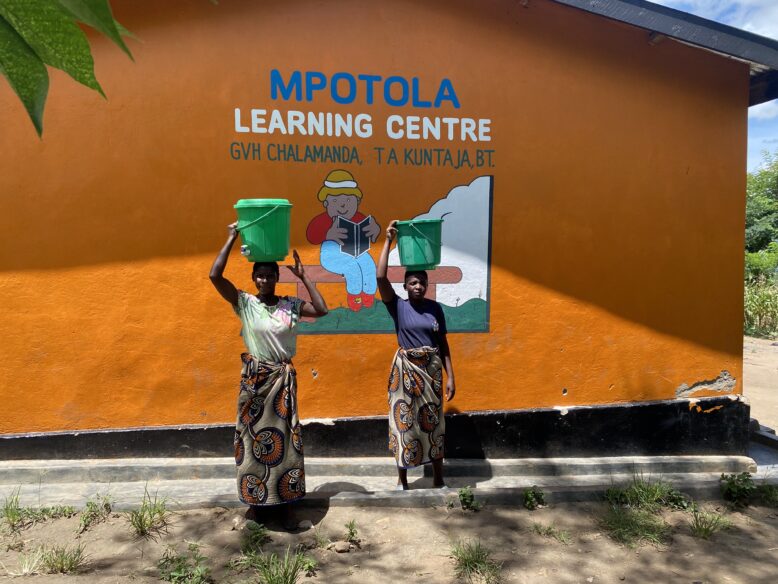
Mptola CBCC is a preschool located in a mountainous region in southern Malawi, where it is difficult for government support to reach.
CBCC (Community-Based Childcare Centre) refers to centers where local mothers take on the role of caregivers and educators for children who naturally gather within the community.
In Mptola, the community faces challenges such as floods and droughts, which can severely impact daily life. Children may struggle to attend school consistently, and mothers often find it difficult to balance work with childcare responsibilities.
Life at the CBCC
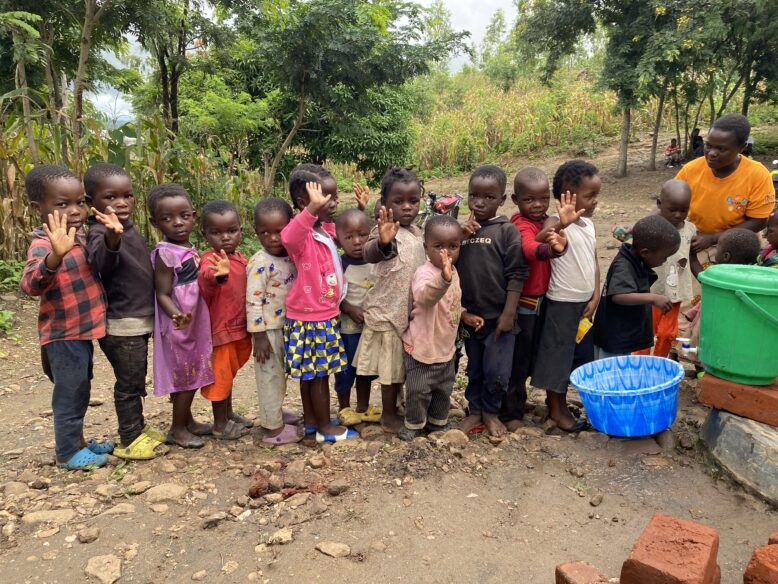
By providing a well in such a place, access to clean water becomes a catalyst for bringing together children, parents, and the wider community.
It also creates a safe and hygienic environment where children can confidently receive school meals.
Although there is currently a well at the CBCC, it often dries up during the dry season or becomes unusable due to breakdowns. In such cases, people must fetch water from nearby stagnant sources.
When this situation continues, it places a heavy burden on the community, as people must spend significant time each day collecting water from distant locations.
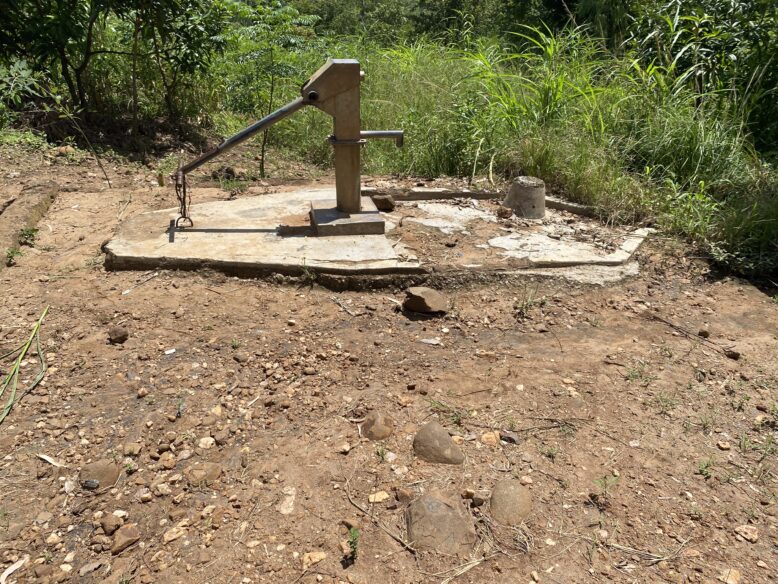
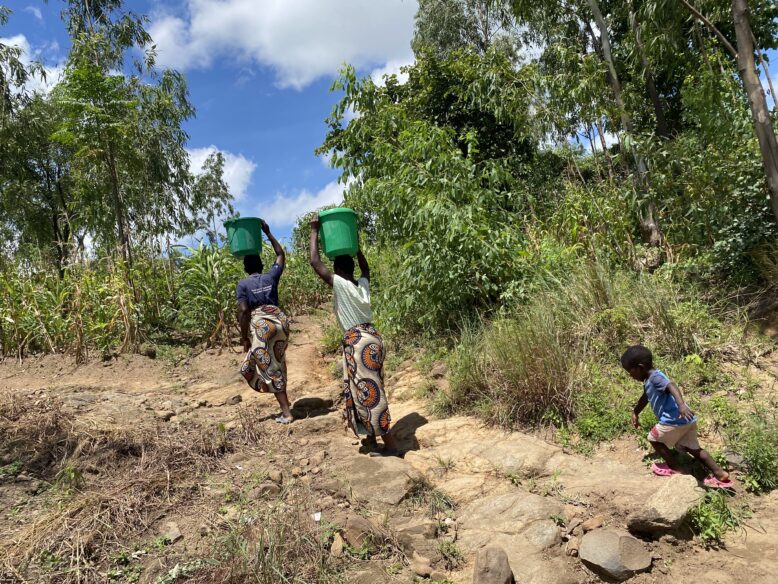
We sincerely welcome your support. Please donate here.
Why Hygienic School Meals Are Essential
Malawi, located in southeastern Africa, is one of the countries with the highest poverty rates in the world. Many children come to school without breakfast, lack sufficient food at home, and suffer from malnutrition.
As a result, they struggle to concentrate in class due to hunger, may skip school to work, or even drop out. In other words, “eating” becomes a fundamental challenge even before accessing education.
Providing Warm School Meals
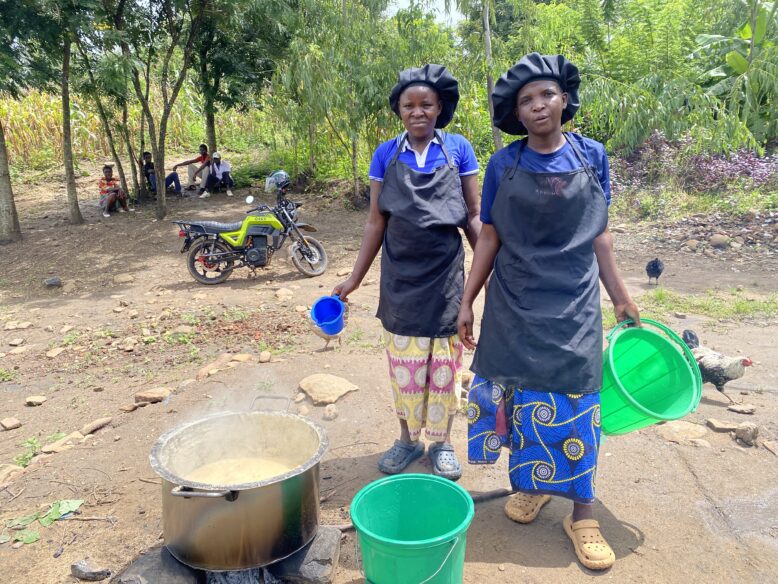
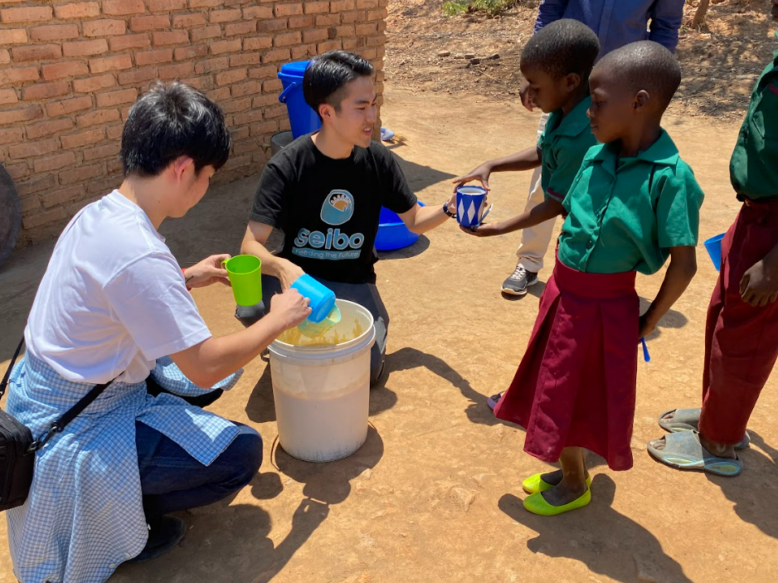
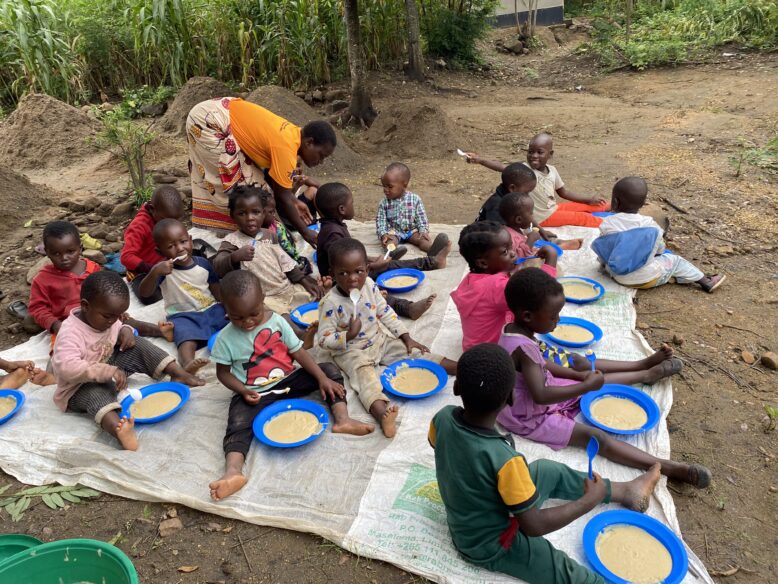
NPO Seibo provides daily warm school meals at primary schools and other institutions in Malawi.
The main menu is a nutritious porridge called “Likuni Phala,” made from maize, soybeans, and peanuts. This meal is carefully designed to provide a balanced intake of energy, protein, and vitamins.
School meal support in Malawi plays a crucial role in helping children attend school and continue learning. However, there is another essential element required to sustain these meals: safe water—specifically, wells.
In many areas of Malawi, it is not uncommon for households and schools to lack access to safe water sources. Children often walk long distances to rivers or ponds to collect water, which may not be clean and can cause illness.
Preparing school meals requires a large amount of water. For example:
-Washing ingredients
-Cooking porridge (Likuni Phala)
-Cleaning utensils
-Washing hands
Water is needed in all of these processes. Without safe water at schools, it is impossible to prepare meals hygienically.
In other words, only with the presence of a well can safe and reliable school meal programs be maintained.
Additionally, wells play a vital role in protecting children’s health. Access to clean water enables proper handwashing, helping prevent disease. Healthy children can attend school regularly and focus on their studies.
Through learning exchanges between NPO Seibo and students of Marist Brothers International School, a deeper understanding of the relationship between school meals and well construction was developed, leading to this initiative.
A well not only ensures the sustainability of school meals but also provides safe water for the entire community.
In essence, school meals support children’s learning, while wells support those meals.
Behind every bowl of food lies the effort to secure water. A well is not just a water source—it is a foundation that supports children’s health, education, and the future of the community.
Your Support
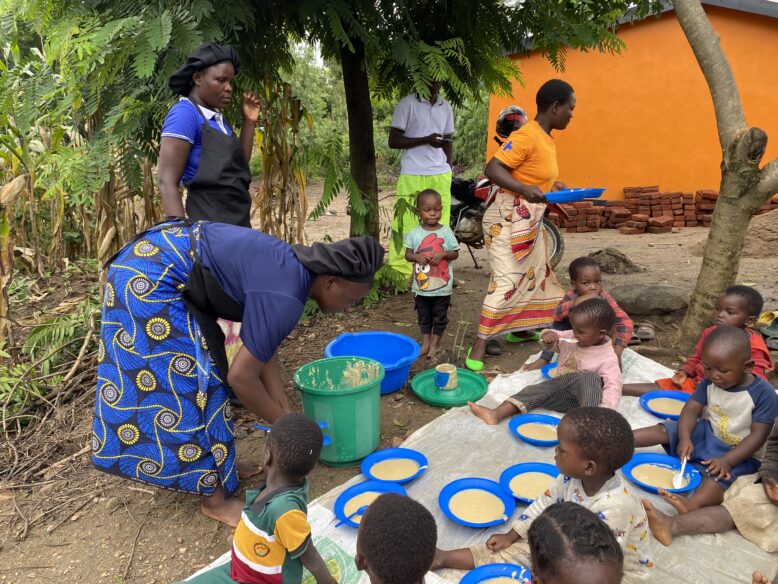
Your support helps build a brighter future for children in Malawi.
The total cost of constructing the well is approximately 3 million yen, but we are taking the first steps now, no matter how small.
This initiative also empowers students in Japan who are promoting this activity, giving them confidence and encouraging deeper learning.
We kindly ask for your support for the future of both Malawi and Japan.
Please make your donation here.