

In February 2026, we were able to deliver 336,813 school meals to children!
We are deeply grateful for your continued support.
Below, we would like to introduce our activities, focusing on school meal support and related initiatives.
Various initiatives are being carried out across Malawi to support the future of children. Through activities such as tree-planting for environmental sustainability, providing free early childhood education to children from vulnerable families, and supporting community-based childcare centers (CBCCs), Seibo works to improve both education and living conditions for children. By collaborating with local volunteers and parents, these efforts aim to break the cycle of poverty and create an environment where children can step toward a brighter future. This article reports on the activities currently taking place on the ground, as well as the achievements and challenges faced by these programs.
1. Faeza Nursery School
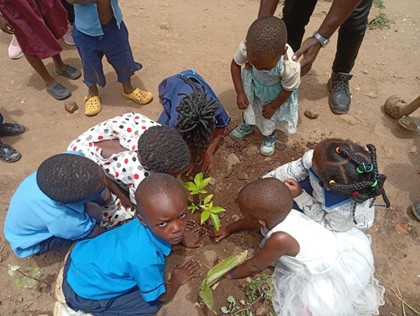
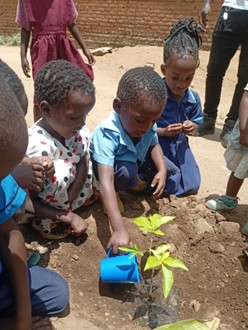
Seibo’s tree-planting initiative represents an important step toward environmental sustainability in Malawi. By replanting trees used as firewood for cooking Likuni Phala (nutritious porridge served in school meal programs), this effort helps reduce the ecological impact of the feeding program while nurturing a healthier environment for future generations. This forward-looking approach clearly demonstrates Seibo’s commitment to both community development and environmental protection.
By involving children in tree-planting activities, Seibo also provides valuable opportunities for environmental education. Through the process of planting and caring for trees, children develop essential skills and gain a deeper understanding of sustainability, empowering them to actively contribute to building a healthier environment.
Home Visits
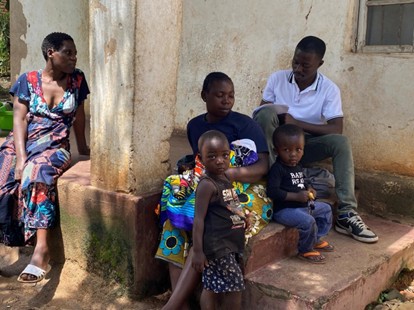
In February, our team conducted home visits to identify children from the most vulnerable households who could benefit from free early childhood education at Seibo-supported preschools. This initiative follows Seibo’s policy of allocating 10% of preschool enrollment spaces to children from disadvantaged backgrounds. The effort reflects Seibo’s strong commitment to reducing educational inequality in Malawi and supporting the independence and development of underserved communities.
2. Atamandike 2 Nursery School
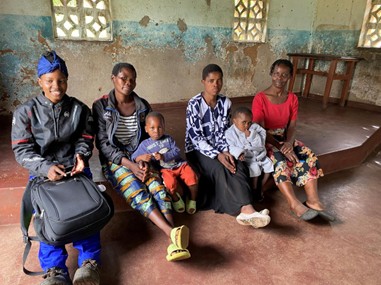
Through the efforts of Seibo-supported preschools, two children from families facing difficult circumstances have been given a life-changing opportunity. At a recent entrance ceremony, the two children were welcomed into Atamandike 2 Nursery School.
Until now, their parents had few prospects for the future and often had to take the children to day-labor worksites or leave them in uncertain care due to financial hardship. With Seibo’s support, these children will now receive free early childhood education. This opportunity will help unlock their potential and open the path toward a brighter future. This milestone clearly demonstrates how targeted support can help break the cycle of poverty.
3. Atamandike 1 Nursery School
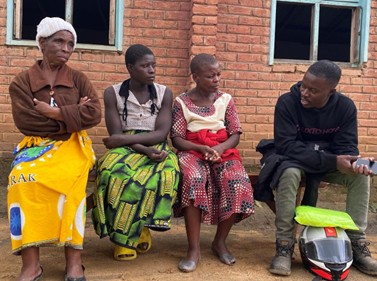
The birth of twins is usually a joyful occasion, but for one family it became a major challenge due to financial hardship. The mother earns a living by collecting and selling firewood, a demanding daily struggle. Burdened by the pressures of childcare, she was often forced to leave the children at home while searching for income.
Thanks to Seibo’s support, these twins are now able to attend Atamandike 1 Nursery School and receive early childhood education. The parents’ deep gratitude and sincere expressions at the entrance ceremony showed just how meaningful this opportunity is. It is not only access to education, but also a lifeline that supports their family and offers hope for a brighter future.
4. Kriver Nursery School
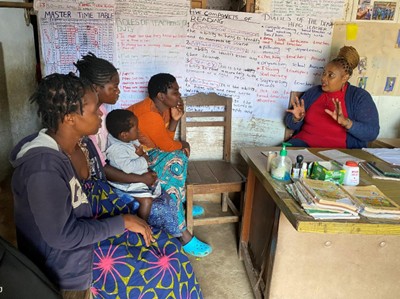
During the entrance ceremony, the head teacher of Kriver Nursery School addressed the parents of children supported by Seibo. The message emphasized that parents’ active involvement is essential for making the most of this educational opportunity.
Parents were encouraged to ensure regular school attendance and to explore small businesses or other activities that could provide additional income for their families. This guidance highlights the cooperative partnership between Seibo and the preschools in supporting families facing the most difficult circumstances. Through collaboration, parents are empowered to break the cycle of poverty and build a foundation for their children’s future well-being.
5. Chisomo CBCC
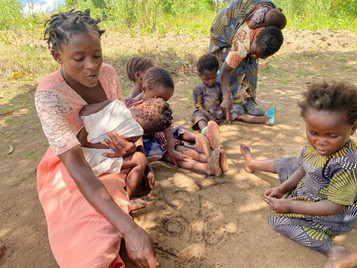
Some CBCCs (Community-Based Childcare Centers) demonstrate remarkable dedication by preparing Likuni Phala meals and providing educational support for children in need. However, they also face significant challenges.
One of the most pressing issues is the shortage of learning materials. This lack of resources creates a gap in learning experiences between children attending CBCCs and those in formal preschools. Without sufficient materials, CBCCs struggle to provide equal educational opportunities, reinforcing existing inequalities in early childhood education. Addressing these resource disparities is essential to ensure fair learning outcomes for all children.
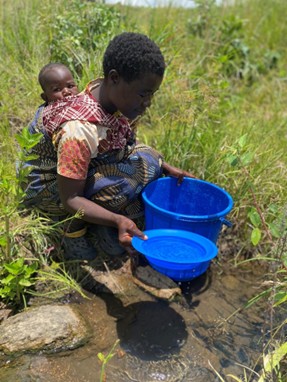
Another serious challenge is the lack of access to clean water. Caregivers work hard to prepare school meals, but they are often forced to rely on unsafe water sources, putting the health and hygiene of vulnerable children at risk.
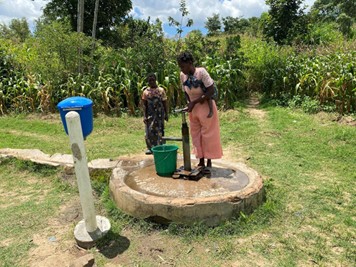
The absence of clean water infrastructure not only threatens children’s well-being but also disrupts the operation of CBCCs, highlighting the urgent need for support in securing safe water sources.
At Chisomo CBCC, the well provides water only during the rainy season and often produces cloudy water that is unsafe for children. During the dry season, the well completely dries up, leaving the center without a reliable water source. Despite these conditions, caregivers sometimes have no choice but to use contaminated water to meet immediate needs, emphasizing the urgent need for sustainable water solutions.
6. Mlambe CBCC
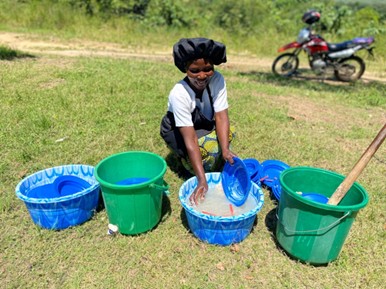
Despite the many challenges they face, CBCC volunteers remain deeply committed to supporting children in need. One community member, for example, consistently goes beyond her responsibilities—washing dishes, cleaning cloths, and managing supplies—to help maintain a safe and caring environment for the children.
These efforts clearly demonstrate the powerful impact that community-driven initiatives can have in bringing meaningful change to children’s lives.
Seibo Mills
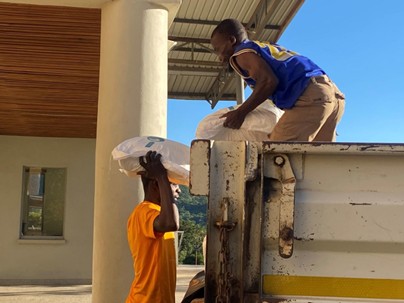
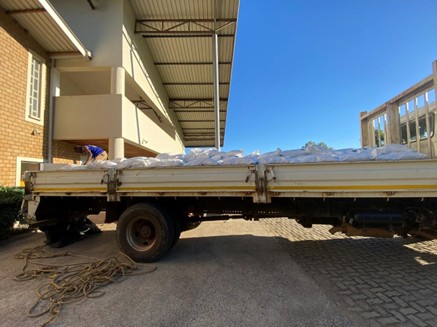
When the Likuni Phala products produced at Seibo Mills arrived, the entire school community was filled with excitement. This marked the first production “by Seibo, for Seibo,” a significant milestone.
The appetizing aroma of the nutritious porridge spread through the school, drawing children and staff together and symbolizing a tangible step toward strengthening nutritional support for students in need.
The moment when the Likuni Phala produced at Seibo Mills arrived at Seibo’s warehouse was filled with joy and represented a major milestone for the team. It was the result of long efforts toward greater self-reliance and sustainability, celebrating a visible success that symbolizes hope and progress for the children they support.
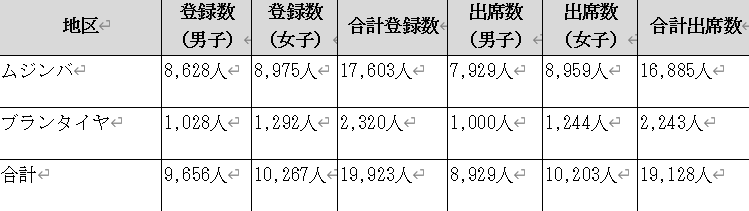
School Feeding Support Data (February)
Total meals provided: 336,813
Northern Mzimba District: 288,516
Southern Blantyre District: 48,297