


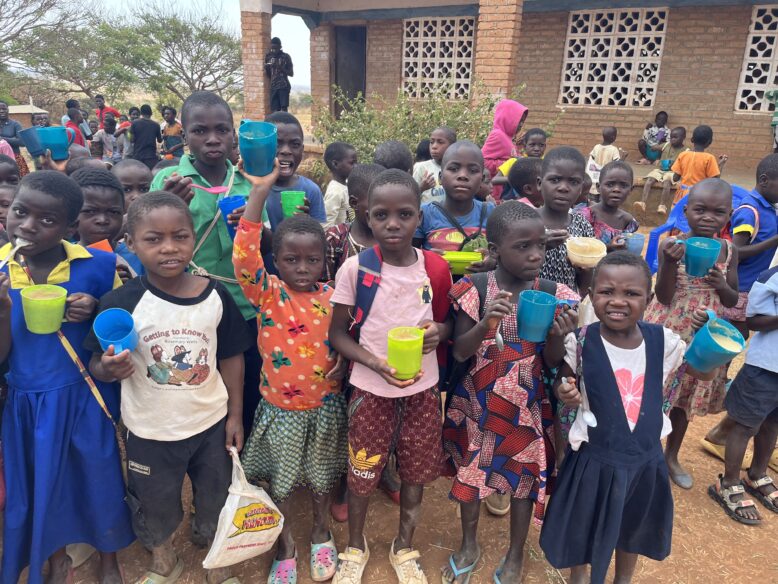
The Republic of Malawi, located in East Africa, is known as “The Warm Heart of Africa.”
In a country facing climate change, soaring prices, and poverty, school feeding directly supports children’s “learning” and “lives.”
NPO Seibo is an organization working from Japan for the future of the world, dedicating its efforts to school feeding support in Malawi to build a brighter future.
In this article, we will explain in detail the current state and challenges of school feeding in Malawi as revealed by the WFP (World Food Programme) School Feeding Dashboard and government data, as well as grassroots initiatives spreading this support.
1. Coverage Rate of School Feeding in Malawi
The Government of Malawi has set a national goal to achieve “Universal School Meals in all public primary schools nationwide by 2030.” However, at present, the country is only halfway toward fulfilling this target.
National School Meal Coverage: Approx. 43%
Currently, the proportion of pupils in public primary schools across Malawi who regularly receive school meal support remains at approximately 43%.
Scale of Major Support Agencies (e.g., WFP)
WFP (World Food Programme) alone provides school meals to approximately 800,000 to 825,000 children (across about 780 to 800 primary schools and 140 Early Childhood Development / ECD centers), focusing primarily on 12 to 14 districts nationwide.
The Remaining Majority of Children: Even when combining the support of the WFP, international NGOs like Mary’s Meals, and local organizations including NPO Seibo, approximately 57% of schools and children nationwide have yet to receive school meal support.
2. Three Key Importances of School Feeding
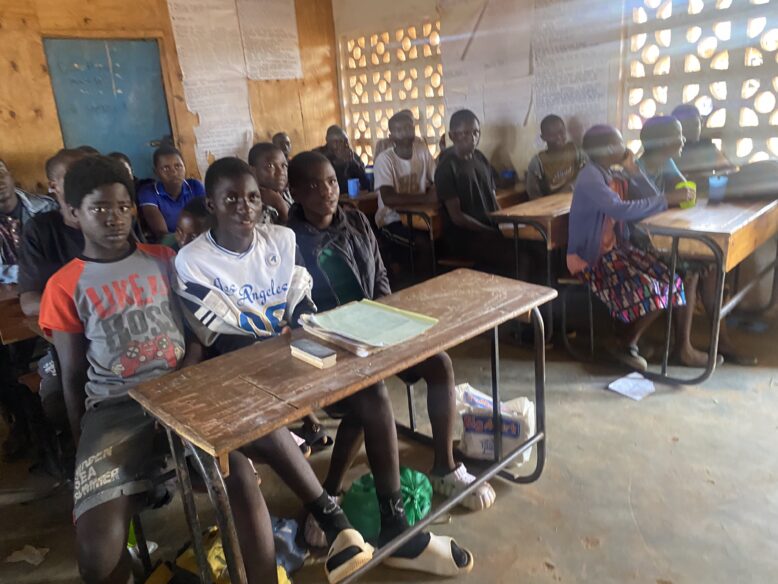
School feeding goes far beyond simply “filling hungry stomachs”—it creates a massive impact on society, the economy, and education.
1. Expanding Educational Opportunities and Dramatically Improving Attendance
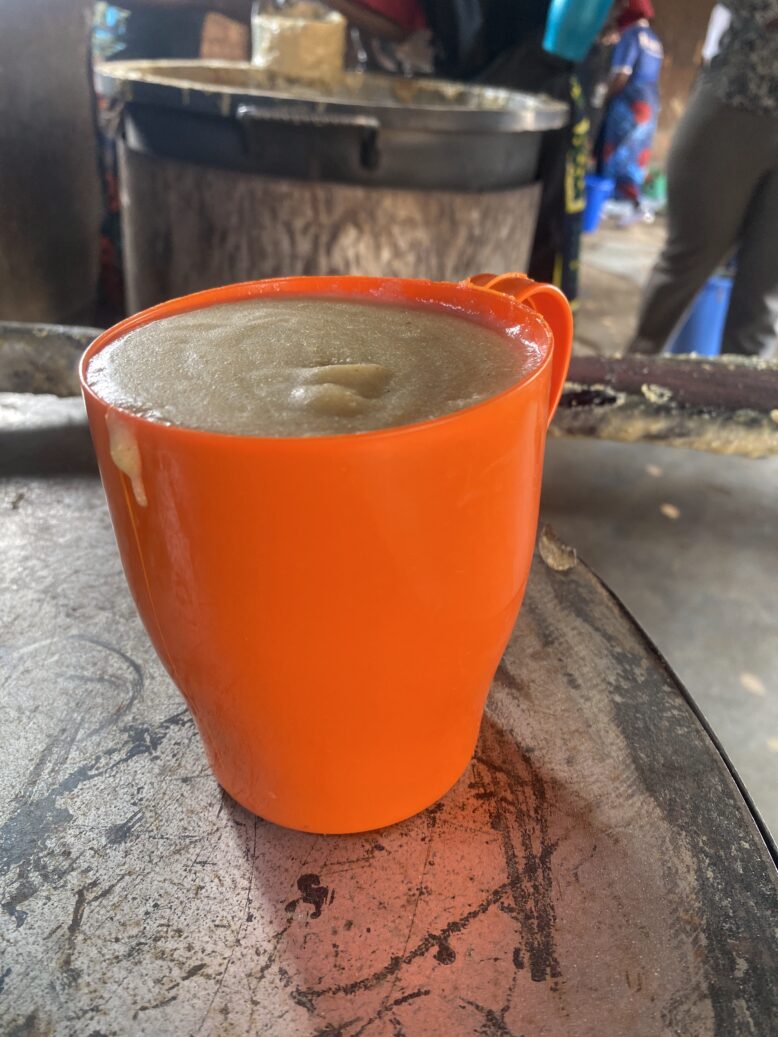
In Malawi, a large portion of the population is engaged in smallholder farming. Due to poverty, children are frequently forced to prioritize helping with household chores or farm work, leading to high rates of absenteeism and dropouts. Providing a warm meal every morning at school (such as nutrient-fortified maize porridge, Likuni Phala) creates a powerful incentive for parents to send their children to school.
*Click here to see Seibo’s Likuni Phala mill facility.
1. Attendance Rate Improvement
WFP data shows that school attendance surged from 77% to 92% after introducing school feeding.
Dramatic Decrease in Female Dropouts: A particularly notable effect is reported among young girls, whose dropout rate plummeted from 15.6% to 5.2%.
2. Preventing Chronic Malnutrition (Stunting)
In Malawi, the rate of chronic malnutrition (stunting) among children under five and school-aged children remains extremely high at around 35%. Eating meals fortified with vitamins and minerals at school supplies the necessary nutrients for growth, leading to improved brain development, classroom focus, and motivation to learn.
3. High Economic Investment Return ($1 Invested Yields $20 in Value)
Research data indicates that investing $1 in school feeding generates a return of $20 (Return on Investment ROI = 1:20) through expanded educational opportunities and ripple effects on the local economy.
In particular, the “Home-Grown School Feeding (HGSF)” model—which purchases ingredients directly from local smallholder farmers—vitalizes local agriculture and supports the self-reliance of the entire community. Seibo also adopts this HGSF approach and operates a meal production factory called Seibo Mill in partnership with a UK charity organization.
3. Uncovered Areas
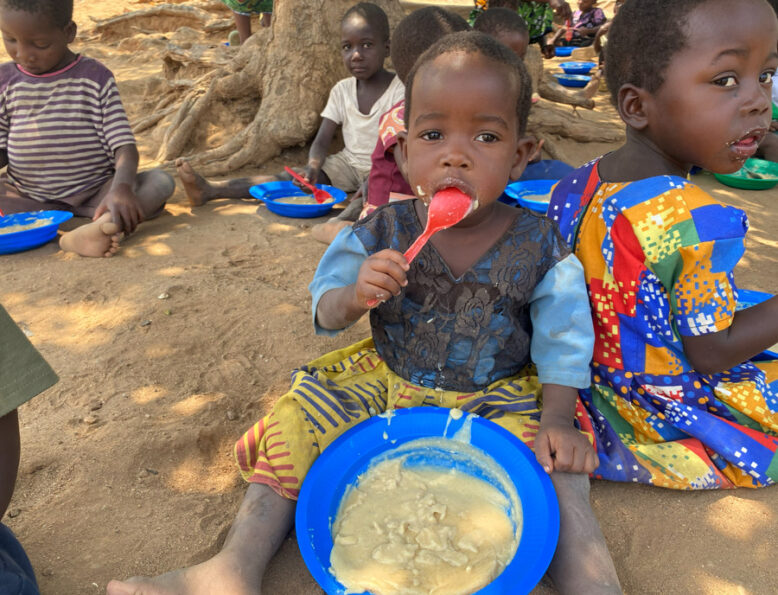
Behind the fact that 57% of children nationwide still do not receive school meals lie structural gaps and blind spots in support.
Hard-to-Reach “Mountainous & Remote Areas”:
In rural and mountainous communities lacking developed road networks, transporting food with large trucks is difficult, making them prone to being excluded from large-scale international aid projects.
Pre-schools Easily Left Out of Support Systems (“CBCCs”):
There are over 6,000 “CBCCs (Community-Based Childcare Centres)” across the country for preschool-aged infants and toddlers. Most of these are operated by village volunteers, making it difficult for them to be included in public feeding frameworks run by the government or the UN, leaving them in extremely impoverished environments.
Urban Slums and Small Communities:
Major international aid tends to focus heavily on “specific districts with high food crises,” leaving smaller settlements and impoverished peri-urban areas outside these priority zones with limited support.
4. Activities of NPO Seibo and Their Importance
To fill these “institutional and geographic gaps” that large-scale international aid cannot fully cover, the activities of NPO Seibo (Seibo Japan / Seibo Maria Malawi) play an extremely vital role.
What is “NPO Seibo”?
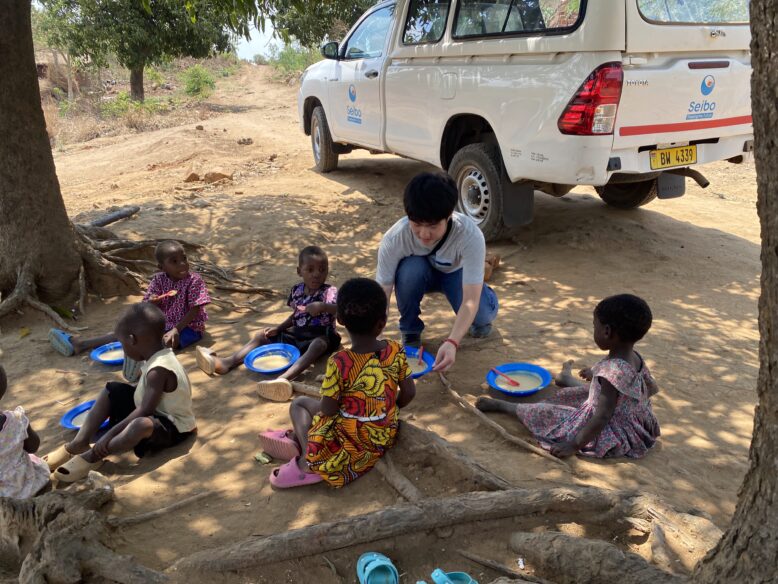
It is an NGO/NPO formed through a partnership between “Seibo Japan” in Japan and “Seibo Malawi” locally, providing school feeding support in Malawi since 2016 (reaching its 10th anniversary of activities in February 2026). Based around Blantyre in southern Malawi and the nearby Chilomoni area, it delivers warm meals to approximately 22,000 children every day.
*2025 Activity Report
*Access to CBCCs in Mountainous Areas (Video)
Uniqueness and Importance of Seibo’s Activities
Prioritizing Support for “CBCCs (Childcare Centres)” and Remote Areas Left Behind by Public Aid:
Seibo directly reaches out to small, volunteer-run CBCCs, mountain nurseries, and schools that are hard to reach for UN or government support. By providing meals during early childhood (ages 0–5)—the most critical window for brain and body development—Seibo builds a foundation for their future education.
Creating Community-Led Sustainable Frameworks:
Rather than simply distributing ingredients, Seibo builds collaborative partnerships with local village chiefs, volunteer caregivers, and parents. By providing training on introducing energy-efficient “rocket stoves,” sanitation management, and cooking techniques, Seibo empowers the local community itself to nurture its children.
Sustainable Donation Cycles Through Business & Fostering Charity Culture in Japan:
Seibo runs social enterprises such as the “Warm Hearts Coffee Club,” which sells Malawian specialty coffee. By creating a model where 100% of profits are directed to funding school meals in Malawi, Seibo achieves sustainable fundraising. Furthermore, through workshops at Japanese schools and companies, Seibo helps cultivate a culture of international cooperation and charity in Japan.
Delivering School Meals to Every Single Child
The “43% coverage rate” shown on the WFP dashboard demonstrates a steady expansion of support, but at the same time, it reflects the reality that “57% of children are still attending school hungry (or unable to attend at all).”
Only when macro-level, wide-area support by the WFP and the government works alongside grassroots support by organizations like NPO Seibo—which stands close to the most vulnerable children in remote areas and CBCCs—can we deliver “a daily meal and learning opportunities” to every child in Malawi.
A single cup of coffee or a small donation directly leads to a meaningful meal that can change a Malawian child’s future.
(see the coffee website from here)
NPO Seibo regularly conducts crowdfunding campaigns, prioritizing fundraising for school meal support at CBCCs.
Please check here for details and support options.
Additionally, you can find further details about school feeding in Malawi and make a donation here.
Thank you very much for your continued support.
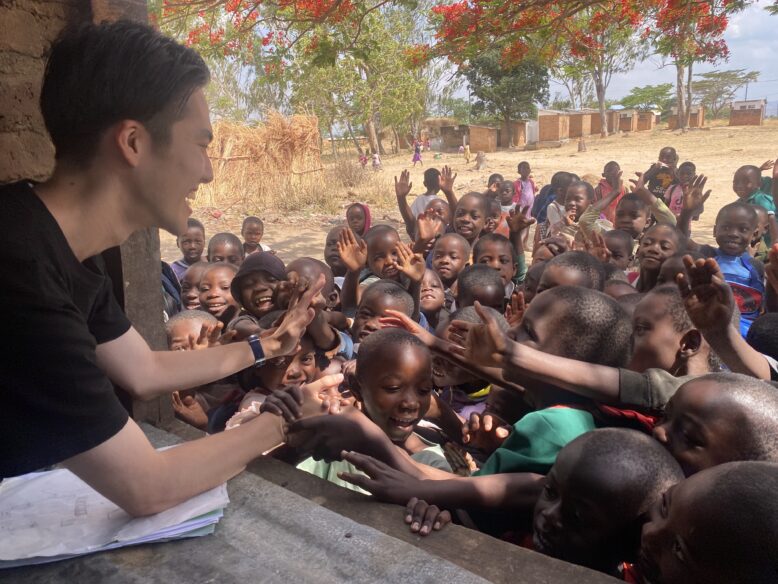
(Data Sources: WFP Malawi School Feeding Dashboard / WFP Country Briefs / NPO Seibo Official Reports)