


According to the latest analysis updated in July 2026 by the Famine Early Warning Systems Network (FEWS NET) (Malawi Key Message Update: July 2026 – January 2027), acute food insecurity (IPC Phase 3: Crisis) is predicted across the country, particularly in the southern region, from late 2026 to early 2027.
(For details, please see here.)
Amid this harsh reality, today we would like to talk about the “Home-Grown School Feeding (HGSF)” model—which goes beyond mere temporary food relief to simultaneously support local farmers and ensure children’s education and nutrition—as well as the challenge undertaken by “Seibo Mill,” a milling plant run by the non-profit organization “Seibo,” which embodies this model on the ground.
1. Intensifying Climate Shocks and Malawi’s Food Crisis in 2026
Agriculture in Malawi is one of the sectors most severely affected by climate change. In recent years, “climate shocks”—including direct hits from major tropical cyclones like Cyclone Freddy, heatwaves, and irregular onset of rainy seasons followed by mid-season dry spells—have become normalized. Deforestation from years of excessive tree-felling and subsequent soil erosion have exacerbated the situation, significantly diminishing the land’s water retention capacity and resilience.
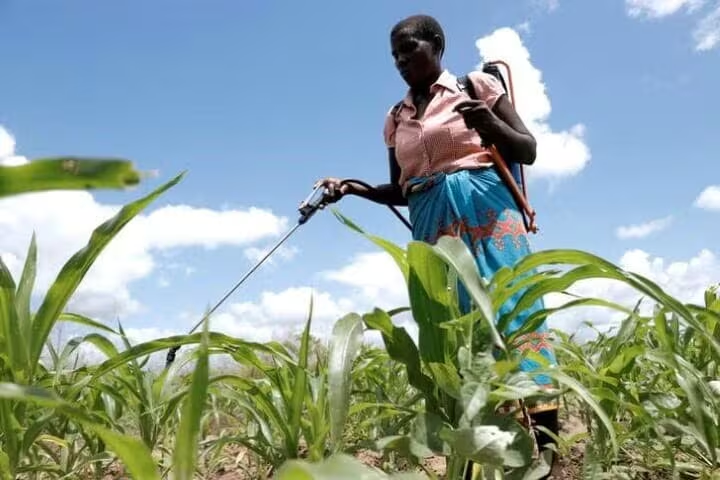
(Source: Here)
FEWS NET Warns of Worsening Food Security Scenarios
According to FEWS NET’s July 2026 report, Malawi’s food security status (IPC Acute Food Insecurity Classification) is projected to follow a severe trajectory in the latter half of 2026 as follows:
Soaring Maize Prices (Staple Food):
Between June and July 2026, average maize prices in key markets hovered between 742 and 755 MWK (Malawian Kwacha) per kg. Although lower than the same period last year, prices remain significantly above the five-year average. Soaring costs of agricultural inputs such as fertilizers and seeds, labor wages, and fuel costs are directly passed on to retail prices.
Rising Fuel Prices and Strained Logistics:
Since the reintroduction of the Automatic Pricing Mechanism (APM) for fuel in November 2025, petrol and diesel prices have remained elevated, 120% to 130% higher than pre-introduction levels. Although fuel supply itself has stabilized, higher domestic transportation costs remain a major barrier to food access.
Slump in Tobacco (Major Foreign Exchange Earner):
Tobacco trading, a vital source of cash income in rural areas, saw a cumulative sales volume decline of about 30% year-on-year as of early July 2026, with average prices falling by around 20% (11% below the 5-year average). This decline reduced the income of medium- to large-scale farmers, severely curtailing casual agricultural labor opportunities that the poorest households rely on.
2. Filling the Gaps in Public Support: Seibo’s Support Areas and Current Situation
As food insecurity spans across society, the school feeding program run by the NPO “Seibo” (Seibo Japan / Seibo Malawi) acts as a critical lifeline at the grassroots level. Seibo currently provides hot daily meals to over 22,000 children every day in Malawi.
※Click here to view Seibo’s feeding support area map.
Key Support Areas and Facilities Covered by Seibo
Southern Region (Around Blantyre District):
・Chilomoni Area (HQ of Seibo Malawi)
・Chilomoni Mountainous Area (Chisomo CBCC, etc.)
・Chiradzulu District
Characteristics & Challenges:
Although located near Blantyre, Malawi’s second-largest city, sparse mountainous areas and impoverished neighborhoods are scattered throughout.
Infrastructure and safe water sources (boreholes) are scarce, making it difficult for government and international aid agencies to reach.
Northern Region (Around Mzimba District & Jenda):
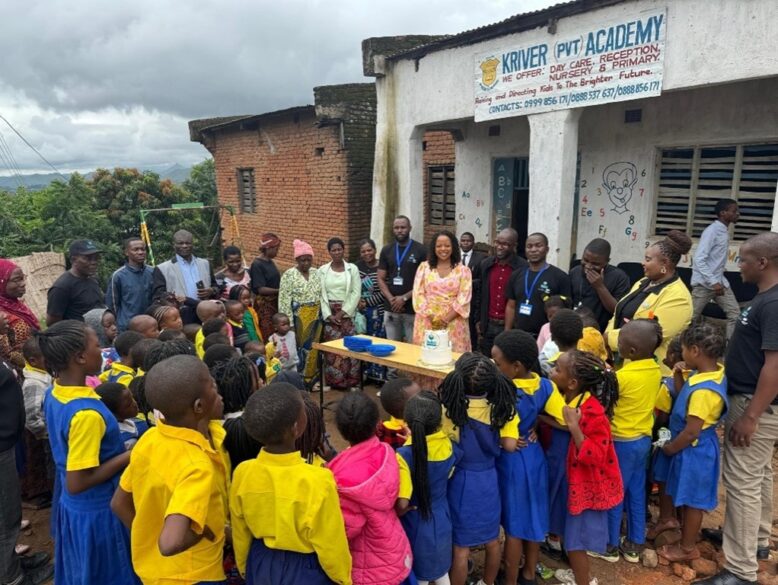
・Nursery facilities around Jenda
・Rural areas in Mzimba District
Characteristics & Challenges: Remote areas with communities scattered across vast landscapes.
High dependence on agriculture means bad harvests immediately trigger food crises.
Access to schools also requires traveling very long distances.
A defining feature of Seibo’s work is its focus on supporting Community-Based Childcare Centres (CBCCs) and preschool facilities (kindergartens), which are often missed by public assistance from large NGOs or the United Nations World Food Programme (WFP).
CBCCs are small childcare facilities operated on a trial-and-error basis by local volunteers and parents, receiving very limited national budget allocation. In an environment where even home meals are uncertain, a bowl of school lunch provided at a CBCC prevents stunting (growth failure) in early childhood and serves as the sole source of energy enabling children to play and learn in good health.
3. The Essence of the “Home-Grown School Feeding (HGSF)” Model
In Malawi, where climate change and economic instability persist, traditional school feeding models reliant on external food purchases and donations have reached their limits. Buying imported relief supplies or purchasing from large corporations makes programs vulnerable to international logistical disruptions, fuel price spikes, and currency fluctuations, posing sustainability challenges.
To address this, Seibo has adopted the innovative “Home-Grown School Feeding (HGSF)” model, a strategy increasingly promoted worldwide, as a central pillar of its operations.
The HGSF model generates remarkable synergistic impacts across three key areas:
Impact on Children (Ensuring Nutrition and Education):
Providing highly nutritious meals prepared from local agricultural produce reduces stunting and improves school attendance. It is particularly effective in preventing child marriage and child labor among young girls.
Impact on Farmers (Economic Independence and Enhanced Resilience):
Prioritizing direct procurement from local smallholder farmers provides them with stable markets free from unfair price exploitation, as well as dependable cash income. It functions as a safety net against income loss caused by climate shocks.
Impact on the Local Community (Local Economic Circulation):
Rather than flowing overseas or to large corporations, donor funds circulate entirely within the local economy, strengthening the overall economic foundation of the community.
4. A Revolutionary Leap toward Self-Sufficiency: The Challenge of “Seibo Mill”
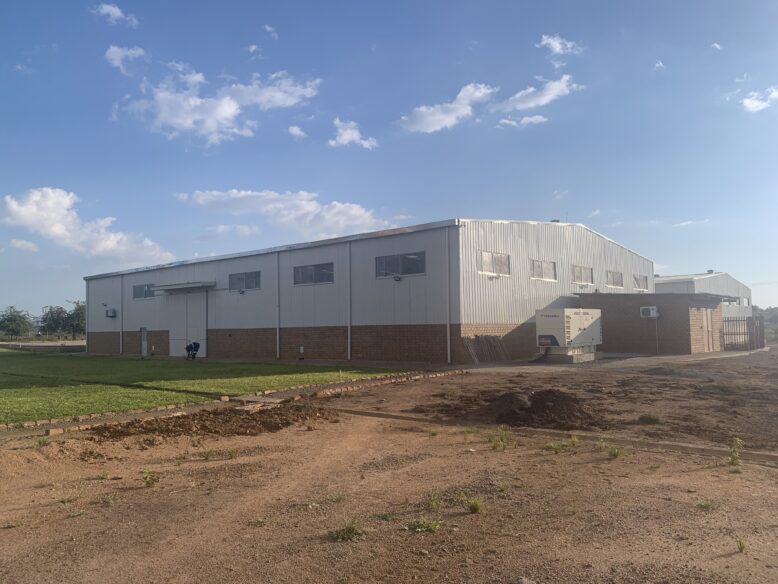
Taking the principles of HGSF a step further into a fully self-sufficient circular structure, Seibo initiated a project in 2025 to build its own milling plant, “Seibo Mill,” which went into full operation in 2026.
Background Behind Building the Milling Plant:
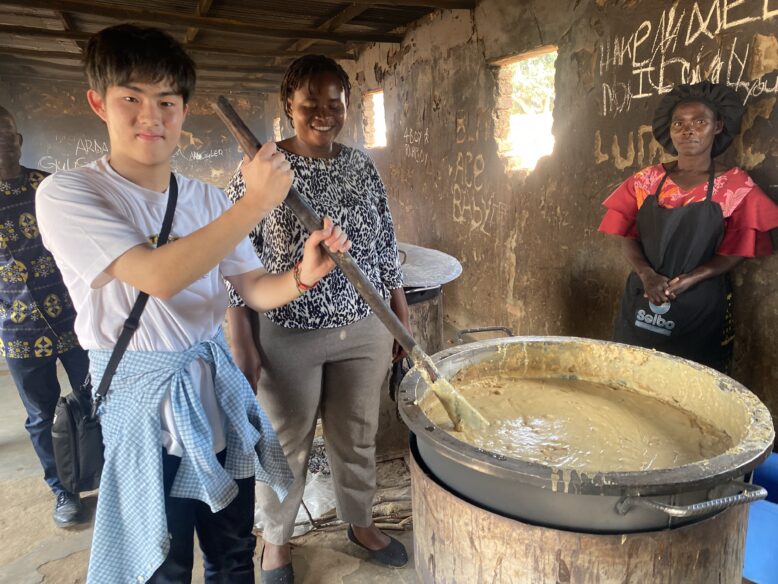
Previously, Seibo purchased “Likuni Phala”—a fortified porridge mix made from milled maize and soybeans enriched with vitamins and minerals—from commercial milling companies in Malawi and distributed it to CBCCs.
However, global and domestic inflation, fuel price surges of over 120%, and volatile raw material prices triggered by climate shocks after 2025 caused the unit cost per meal under the “procurement-based model” to skyrocket. This posed a serious risk to maintaining or expanding meal distribution to children.
Innovation Brought by “Seibo Mill”:
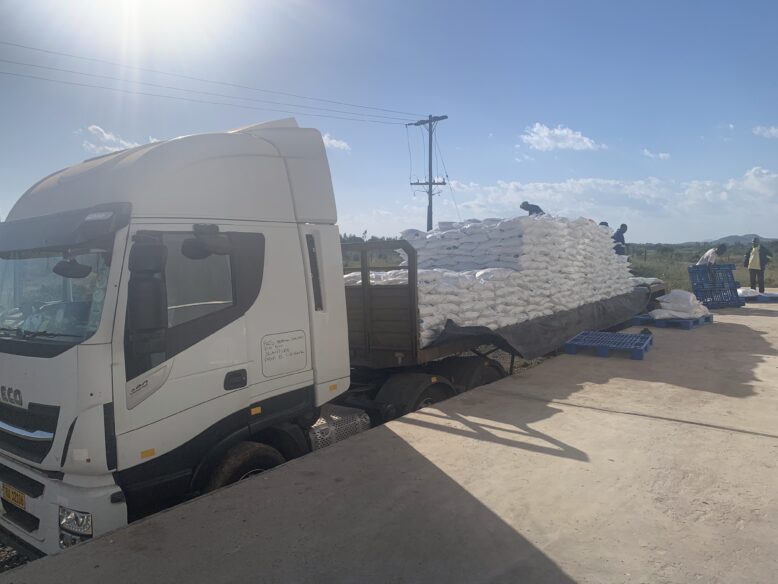
To fundamentally resolve this issue, Seibo launched “Seibo Mill”—a self-sufficient system that directly procures maize from contracted farmers and manages processing and fortification in-house from start to finish.
Direct Partnerships with Local Farmers:
Bypassing middlemen (brokers), Seibo signs direct contracts at fair prices with smallholder farmers in Blantyre, Chiradzulu, and other rural areas, securing maize stocks in-house.
Safe and High-Quality Processing at Its Own Plant:
At the newly built “Seibo Mill” facility on a spacious site, maize and soybeans are blended and fortified with essential micronutrients needed for growing children, producing “Seibo-branded” Likuni Phala.
First Shipment in February 2026 & Stable Supply:
In February 2026, freshly packed porridge bags bearing the “Seibo” logo were shipped for the first time from the completed plant to childcare centers in the southern region. Eliminating middleman margins dramatically reduced costs, establishing a solid foundation to stably supply a larger number of meals with the same amount of funding.
The operation of Seibo Mill goes beyond simply “reducing school meal costs.”
For local smallholders struggling with the slump in tobacco sales and shrinking agricultural employment—as highlighted in the FEWS NET report—Seibo Mill serves as an essential regional industrial hub, offering a reliable and sustainable outlet through school feeding programs.
5. Conclusion: Supporting Meals That Build the Future
In the latter half of 2026, Malawi faces severe challenges driven by climate uncertainty and lean-season food shortages. Yet, amid this harsh reality, a warm bowl of “Likuni Phala” served on the hills of Chilomoni and in the rural villages of Jenda continues to bring smiles and hope for tomorrow to the children.
The Home-Grown School Feeding (HGSF) initiative and “Seibo Mill” represent a powerful adaptation strategy against climate shocks and serve as a co-creation model where beneficiaries and supporters build a sustainable future together.
A hot meal delivered to a child is not only a lifesaving meal; it is also the most certain and noble investment—one that supports Malawian agriculture, circulates the local economy, and nurtures the future of an entire nation.