


In October 2026, in Mzimba and Blantyre, Malawi, we continued providing nutritious school meals, “Likuni Phala,” through our local partner, Seibo Maria.
(For the detailed report, please click here.)
This month, in addition to serving daily meals, we focused our activities on the everyday efforts that sustain the school feeding program and strengthen ties with local communities—such as hygiene management, cooking operations, and enhanced program monitoring.
October 2026 Activity Results
Across our supported schools in Mzimba and Blantyre, we achieved the following results this month:
Total Meals Served: 355,666 meals
Enrolled Students at Supported Schools: 21,000 (Boys: 10,335 / Girls: 10,665)
Attending Students: 19,191 (Boys: 9,351 / Girls: 9,840)
Average Attendance Rate: 91.4%
On-Site Support: Conducted guidance on data management, monitoring of activity progress, and thorough hygiene support.
Field Report:
The Expanding Impact of School Feeding Seen Through Four Pillars
1. A Source of Healthy Growth and Motivation to Learn
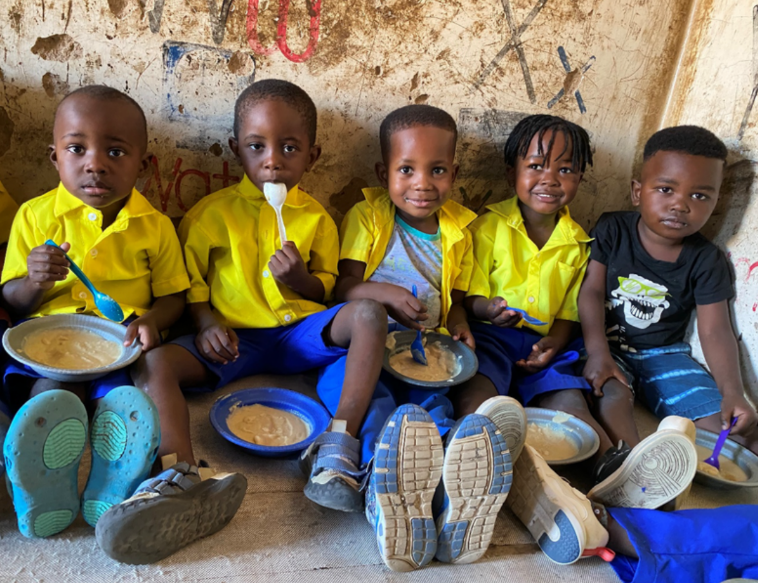
Rich in energy, protein, and vitamins, “Likuni Phala” is a vital source of nutrition that supports children’s healthy growth and learning.
At Kriver Nursery and St. Kizito Primary School, children were seen gathering around their meals with smiles every day and spending their school days full of energy.
Teachers at supported schools also shared encouraging feedback, noting that “eating a filling meal eases their hunger, allowing the children to participate much more actively in classes and school activities.”
2. Nurturing a “Foundation for Learning” and Camaraderie from Early Childhood
Days spent at nursery school are an essential step for children to build confidence, social skills, and basic daily habits in preparation for entering primary school.
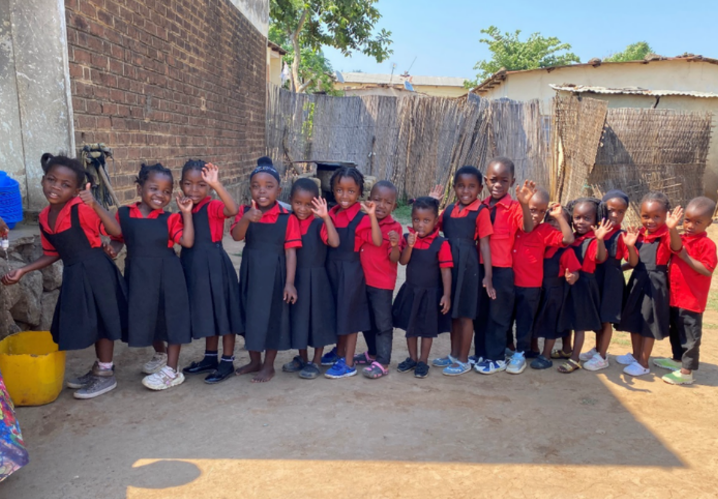
At Makwika Nursery, wearing matching uniforms fosters a sense of belonging, equality, and camaraderie—helping the children feel that they are all members of the same school.
These warm early-childhood experiences cultivate the resilience needed to adapt smoothly to new environments.
3. Healthy Habits Starting with “Clean Hands and Cups”
Thorough daily hygiene management is indispensable for delivering safe and reliable school meals.
At Machelecheta Primary School, local volunteers help children wash their hands and prepare clean cups before meals are served.
The daily habit of washing hands before eating not only helps prevent infectious diseases, but also serves as an opportunity for children to develop an awareness of taking care of their own health.
4. Building a Community-Wide Support System for Children
Daily school feeding is sustained by the proactive cooperation of local volunteers, school feeding committees, and teachers in charge of school health and nutrition.
Beyond handling the receipt of supplies, cooking, and serving, schools such as Kazengo Primary School are actively sharing on-site observations and areas for improvement with our staff to enhance the overall quality of the program.
“We are not just preparing meals. We are supporting the children so they can stay in school and deepen their learning.”
— Volunteer at Davy Primary School
Conclusion
Through our activities in October, we were reminded once again that sustaining a stable school feeding program requires more than just providing food—it depends on attentive care for nutrition and hygiene, building healthy daily habits from early childhood, and the proactive involvement of local community members.
A single cup of school meal supports children’s nutrition and education while strengthening community bonds. Together with warm support from Japan, Seibo will continue working to create an environment where children in Malawi can learn with peace of mind.
For the detailed report, please click here!